Swarm consensus. Tracked outcomes.

From a thousand tickers to one pick you can actually trade.

The Owl Dashboard screens the market, puts every candidate through a multi-agent swarm debate, then refuses to crown anything that doesn't come with a real entry, target, and stop. Every pick it publishes is scored — and every outcome is recorded, win or lose.

Swarm 6 agents
Scoring lanes 4
Close trigger ±5%
Tracking window 90 days
Outcome states Win / Loss / Open

Scroll · enter the system

The signal gap

Most stock research stops exactly where the risk starts.

You can find a hundred tickers with a story. What you can't find is the part that matters: a plan you can execute, a reason to trust it, and an honest record of what happened last time. Three failures show up again and again.

01 / Scattered

Evidence lives in ten tabs

Short interest on one site, options flow on another, price action on a third. By the time you've assembled the picture, the setup has moved.

02 / Unbounded

A ticker is not a trade

"Watch NVDA" tells you nothing about where to get in, where you're wrong, or what you're playing for. A call without levels is a hunch wearing a suit.

03 / Unproven

Nobody keeps the receipts

Winners get screenshotted, losers get deleted. Without every call recorded against a fixed rule, a track record is just a highlight reel.

The swarm loop

Six stages. Every one of them leaves a record.

A pick doesn't appear — it's assembled. Follow the stages and watch the pick record fill in beside you, exactly as the system builds it on each refresh.

01

Screen the universe

Scrapers sweep short-interest screeners, unusual options activity, and short-float leaders to build a candidate pool — before any model is spent on analysis.

→ sources_read = 4

02

Gather the evidence

Each surviving candidate gets a live price pull, a short-interest read, options positioning, and the macro backdrop attached to its file.

→ candidates = 12

03

Run the swarm

Multiple agents argue the same ticker from different angles — momentum, value, risk, catalyst. Disagreement is the point; consensus has to be earned.

→ swarm_votes = 6 bull / 0 bear

04

Score the setup

The debate collapses into a base quality score plus a rating, a timing call, and a stance — the raw material the decision gate works from.

→ base_score = 91 · Elite

05

Gate the decision

The Decision Deck re-weighs every candidate on execution readiness, stability across refreshes, and chase risk. No clean entry, stop, and target means no crown — it goes to Watch instead, however good the story is.

→ deck_score = 91.8 · eligible

06

Publish and track

The pick is published with its levels and the clock starts. A ±5% move in either direction closes it permanently as a win or a loss. Nothing gets quietly deleted.

→ tracking = ±5% armed

Pick record Filling as you read
sources_read 4
candidates 12
swarm_votes 6 bull · 0 bear
base_score 91 · Elite
execution entry · target · stop
deck_score 91.8
close_trigger ±5.0%
outcome recorded on close
sample record · illustrative values Building

The workbench

Run the decision gate yourself.

This is the real scoring logic, not an animation. Pick a candidate, inspect how it scores across the four lanes, then run the gate and see who gets crowned. Break the winner's trade plan with the switch and watch the crown move.

Decision Deck
Candidates3 Eligible Watch Crowned
Sample data
Candidates · this refresh
Select a candidate
Deck score
Base quality ×0.45
Execution ×0.20
Stability ×0.20
Chase ×0.15
Scoring notes
  • Select a candidate to inspect its scorecard.

deck_score = base×0.45 + execution×0.20 + stability×0.20 + chase×0.15
gate: execution < 50Watch (never Top Pick) · incumbent holds unless beaten by 4.0 pts

Break the leader's trade plan — drop NVDA's entry zone and stop, and watch the crown move

Core functions

What the dashboard actually does.

01

Swarm Consensus

Multiple agents analyse the same ticker independently and vote. You see the bull/bear split, not just the conclusion.

02

Decision Deck

Re-ranks every candidate on execution readiness, stability, and chase risk — with hysteresis so the top pick doesn't flip on noise.

03

Trade Levels

Entry zone, target, and invalidation on every published pick, validated for sane geometry before it ships.

04

Outcome Tracking

A ±5% move closes a pick as win or loss automatically. Open picks stay open and are excluded from the win rate.

05

Trend Memory

Rolling per-ticker snapshots show whether a name is strengthening or breaking down across refreshes, with rank movement.

06

Alerts

Email and push the moment a new pick lands or a leader changes — no need to sit watching the feed.

Stack & sources

Where the evidence comes from.

No black box. These are the feeds behind every candidate the swarm considers.

Yahoo Finance
Live quotes, historical closes, and the forward pricing used to score outcomes.
Finviz
Short-squeeze screener — high short-float names entering the candidate pool.
Barchart
Unusual options activity, flagging positioning ahead of the move.
StockAnalysis
Short-interest changes period over period.
CoinGecko
Crypto market data for the digital-asset side of the feed.
TradingView
Inbound webhook alerts folded into the evidence file.
Claude
The reasoning layer running the swarm debate and the setup write-ups.
Robinhood
Optional execution link for one-tap entries with safety rails.

Use cases

What it looks like in practice.

Hype check
A ticker is everywhere on social and up 18% on the day.
Chase scoring penalises distance above the entry zone and outsized daily moves, so an extended name loses points instead of gaining them. It typically lands in Watch, not Top Pick.
Great story, no plan
The swarm loves a setup but can't produce a clean stop level.
Execution readiness drops below the threshold and the gate refuses the crown regardless of base score. You see it flagged as Watch with the missing level named.
One-print wonder
A brand-new name posts a very high score on its first appearance.
Stability starts low for names not seen in recent refreshes, so a single hot print rarely takes the crown. It has to hold up across refreshes first.
Noisy leadership
Two candidates trade places by a point or two every refresh.
Hysteresis keeps the incumbent crowned unless a challenger wins by more than 4 deck points, so the top pick doesn't churn on noise.
Honest scorekeeping
You want to know how the picks have actually done.
Every Elite pick in the window is listed by month and week with its entry, close, and 1D/3D moves — wins and losses both, with open picks excluded from the rate.

Live feed

Today's top pick

The real thing, straight from the swarm. Members see it the moment it lands.

Top Pick

Connecting to Owl…

Rating Timing Stance
Bull · Bear
Pick Price
Entry Zone
Target
Stop
Setup
As of
Members only

The live pick unlocks with membership

$10/mo for five picks a month · $20/mo for the full live feed

View plans →

Live data from the Askmrowl swarm. For research only — not financial advice.

Membership

Unlock the dashboard

Real-time picks from the swarm, with every result tracked in the open. Choose the pace that fits you.

Standard

$10/mo

Five curated picks, every month.

  • 5 top picks delivered monthly
  • Setup rating, timing, and stance
  • Bull · bear vote consensus
  • Email alerts when picks land
Subscribe — $10

Cancel anytime · Secure checkout via Stripe · For research only — not financial advice

Also from JaiNori

The rest of the studio

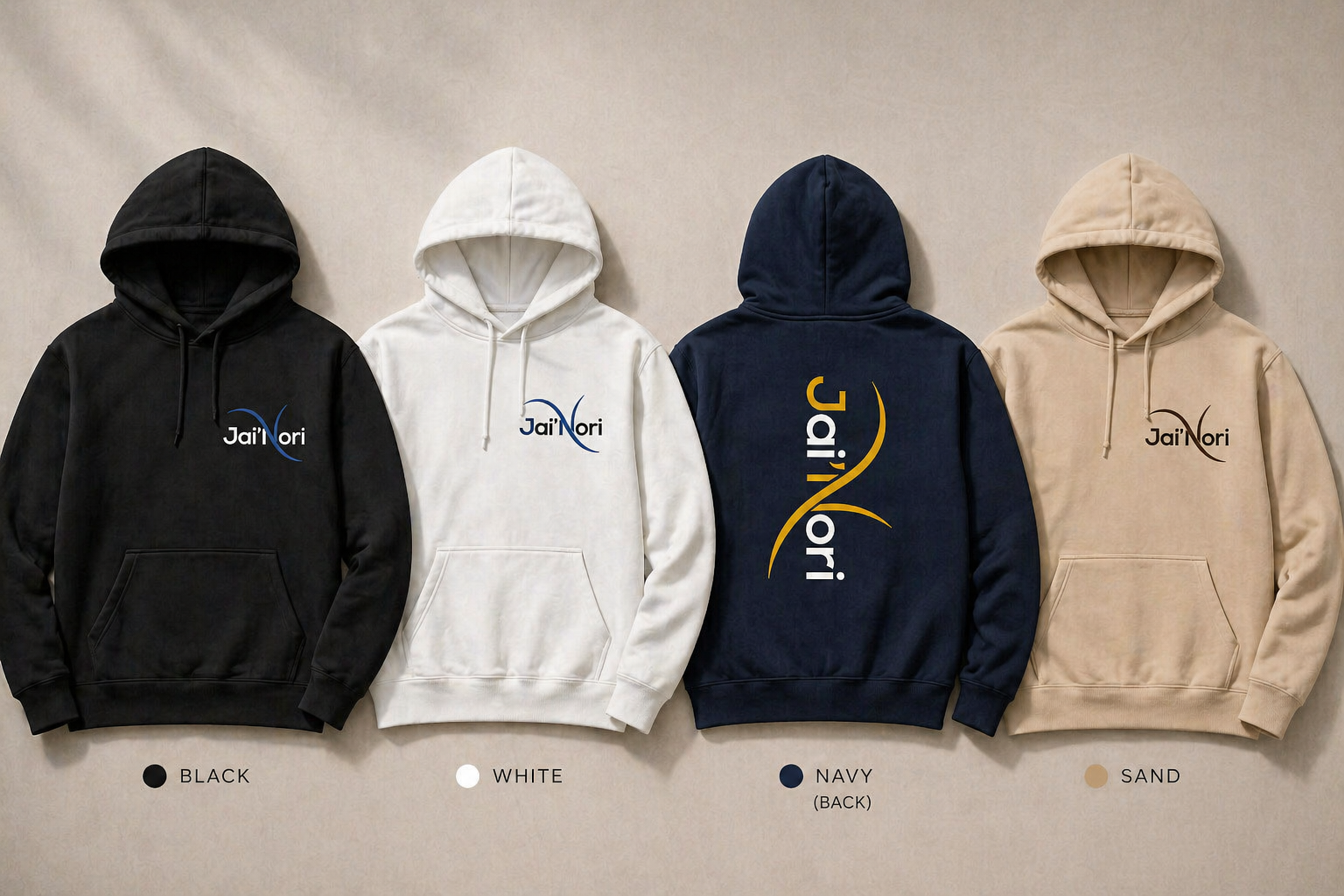
The dashboard is one part of JaiNori. The same studio makes an animated series for children, original music, and apparel carrying the mark.

Connect

Stay in the loop

New picks, new episodes, new drops — straight to your inbox. No spam, just the good stuff.